White grub worm damage: How to know if they're eating your lawn roots
By My Yard Editorial Team · 7/28/2026

The Quick Answer
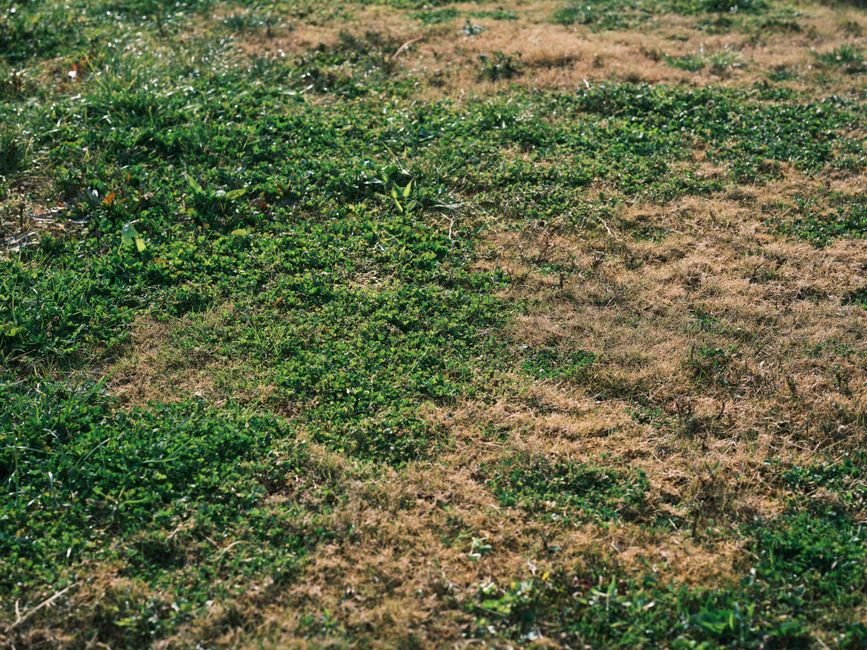
Pull back a square foot of turf. More than 8–10 grubs per square foot means treat; fewer is normal soil life. Damaged turf rolls up like carpet because the roots are gone.
The Witty Breakdown
The other tell is animals. If skunks and crows are excavating your lawn nightly, they're not being rude — they're eating grubs.
Timing is everything: preventives go down early summer, curatives only work on small grubs in late summer.
Step-by-Step Fix
- 1
Cut three one-square-foot flaps in the damaged edge and count grubs.
- 2
Under 8 per sq ft: skip treatment and repair turf instead.
- 3
Preventive (chlorantraniliprole) in May–June; curative (trichlorfon) in late August.
- 4
Water treatment in with 0.5 inch immediately — it's useless sitting on the blades.
Pro-Tip / Do Not Do This
Don't apply grub killer in October. The grubs are large, deep, and no longer feeding — you're treating your wallet.
Was this helpful?
Related Guides


Community Comments
No comments yet — be the first neighbor to weigh in.